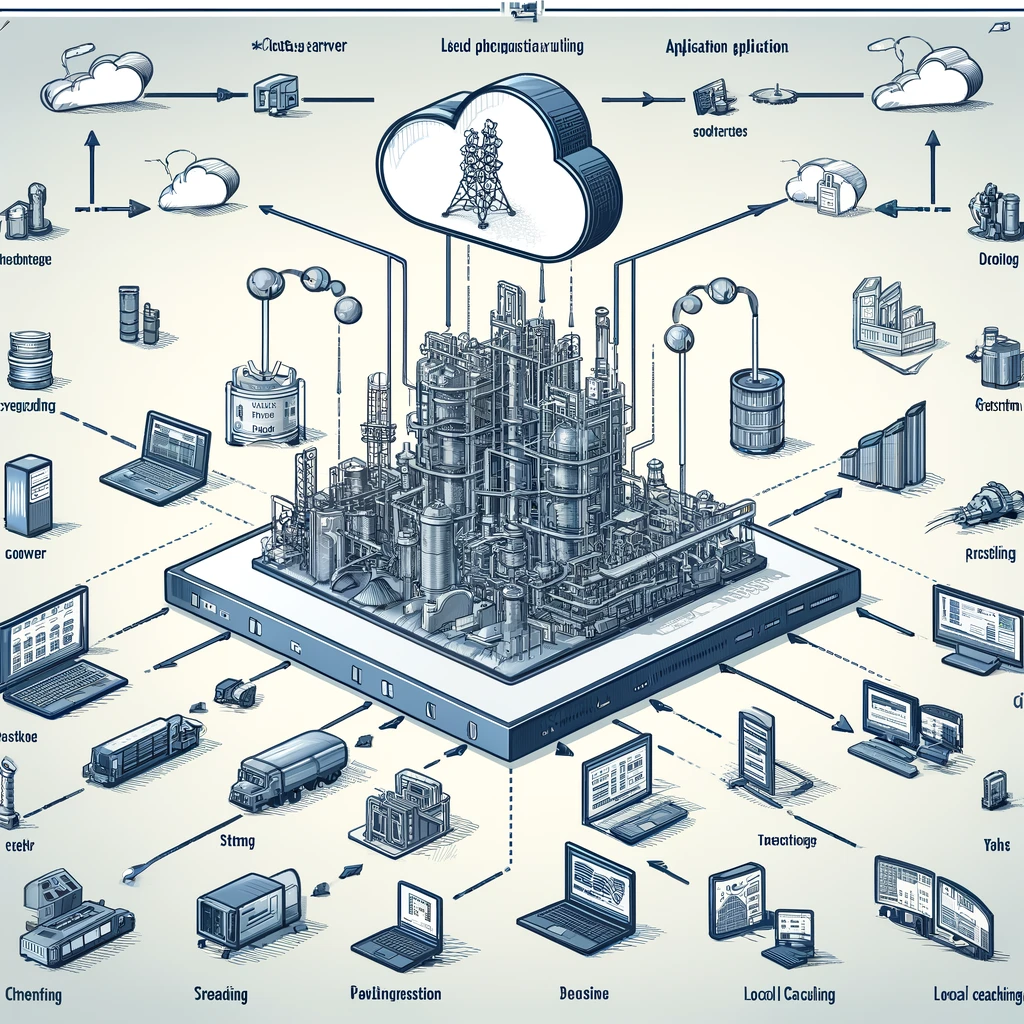
Cloudpaging is a technology that allows for the efficient deployment and management of software applications by streaming them from the cloud to end-user devices. It enables applications to be delivered and run on demand without requiring full installation on the user's device. Here's a detailed breakdown of how cloudpaging works and its benefits:
How Cloudpaging Works
- Application Virtualization: Cloudpaging starts by virtualizing the application. This means the application is packaged into a format that can be streamed in small pieces, or "pages," rather than requiring a full download and installation.
- Streaming: When a user requests an application, the cloudpaging system begins streaming the necessary components to the user's device. Only the parts of the application that are immediately needed are sent first, allowing the user to start using the application almost instantly.
- Caching: As the user continues to use the application, additional components are streamed and cached locally on the device. This caching mechanism ensures that frequently used parts of the application are quickly accessible, reducing latency and improving performance.
- Cloud Management: The entire process is managed via the cloud, which means administrators can deploy, update, and manage applications centrally. This simplifies the distribution of applications across large organizations or to remote users.
Benefits of Cloudpaging
- Rapid Deployment: Applications can be delivered to users quickly, as there is no need to wait for a full download and installation. This is particularly useful for large applications or when rapid scaling is needed.
- Reduced Bandwidth Usage: By streaming only the necessary components of an application, cloudpaging reduces the amount of data transferred over the network, conserving bandwidth.
- Improved User Experience: Users can start using applications almost immediately, without the delay of traditional installation processes.
- Centralized Management: IT administrators can manage applications from a central location, making it easier to update, patch, and deploy software across an organization.
- Flexibility: Users can access applications from various devices, as the applications are not tied to specific hardware.
- Enhanced Security: Since applications are streamed and not fully installed on user devices, there is less risk of unauthorized copying or tampering.
Use Cases for Cloudpaging
- Enterprise Software Deployment: Large organizations can use cloudpaging to efficiently distribute software to employees, ensuring that everyone has access to the latest versions.
- Educational Institutions: Schools and universities can deploy educational software to students without requiring them to install it on personal devices.
- Software Trials and Demos: Software vendors can offer trials and demos by streaming applications to potential customers, allowing them to try the software without full installation.
- Remote Work: Cloudpaging supports remote work by enabling employees to access necessary applications from anywhere without the need for complex installations.
In summary, cloudpaging is a powerful technology that enhances the way applications are delivered and managed, providing significant benefits in terms of speed, efficiency, and user experience.
Group EngTech can identify opportunities for your organization to use virtual delivery technologies--either within your organization or securely from the Cloud--to transform your firm’s project delivery capabilities. Use of these technologies can also create virtual delivery centers (VDCs) that allow your teams to focus on execution and delivery without significant distance or technology-related issues.